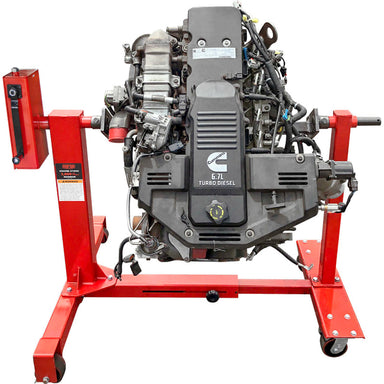
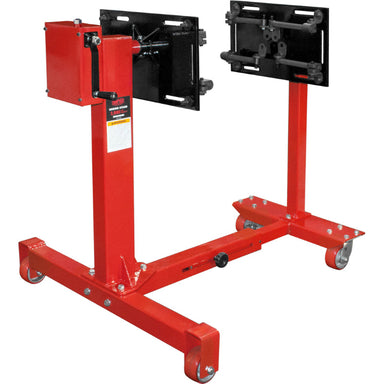
A car engine stand is a must-have for any shop or garage, making engine repairs, rebuilds, and maintenance easier. A durable motor stand holds your engine securely, allowing full access for inspections and repairs without the hassle of working on the floor.
Looking for an engine stand for sale? We offer high-quality options with sturdy frames, adjustable mounting heads, and smooth-rolling casters for easy maneuverability. Whether you're working on a small block or a heavy-duty engine, the right engine holder ensures stability and safety while you work.
An engine on a stand means better accessibility, improved safety, and a more efficient workflow. Whether you’re a DIY mechanic or a professional, investing in a quality engine stand makes engine handling simpler and more secure.